
Walk into a showroom today and you’ll notice something different.
Buyers rarely wander in for inspiration anymore. They’ve already researched online, watched product demo videos, compared multiple options, and asked friends, designers, or even social media communities for opinions. By the time they reach a dealer or call your sales rep, their shortlist is set — and their expectations are high.
For home product manufacturers, this shift is the future of growth. To win the 2026 buyer, leaders must understand how consumer research is reshaping decisions and adapt marketing, product presentation, and sales channels accordingly.
To win the 2026 buyer, leaders must understand how consumer research is reshaping decisions and adapt marketing, product presentation, and sales channels accordingly.
The Rise of the Research-First Buyer
Research-first buying isn't new, but the competitive gap between manufacturers who excel at supporting it versus those who don't is widening rapidly.
As buyers become more sophisticated researchers, the companies that make research easy and comprehensive are capturing disproportionate market share from those who haven't adapted their marketing and sales approach.
Consumer research has moved from a background activity to the starting point of nearly every purchase. Homeowners, designers, and dealers alike are scanning reviews, forums, social demo reels, and comparison sites before committing to a product.
A few key dynamics are driving this:
1
Information is abundant: Buyers expect specifications, certifications, and clear comparisons up front.
2
Social proof dominates: Peer reviews and influencer showcases often carry more weight than traditional advertising.
3
Multi-channel exposure: A single product decision may involve online browsing, a dealer visit, and a return to an e-commerce site before purchase.
Your product’s first impression is made on a screen nine times more often than in the showroom.
Source: Home Furnishings Association, 2024 Furniture Shopping Trends Study

Phygital Journeys and Channel Switching
"Phygital" combines physical and digital — a shorthand for the way today's buyers move seamlessly between online research and in-person experiences. For home product manufacturers, mastering this transition determines who captures market share and who loses ground to competitors.
According to the Home Furnishings Association's 2024 Furniture Shopping Trends Study, nearly 90% of furniture shopping journeys now start online, but most purchases are still finalized in-store. This pattern extends across home product categories. Buyers move back and forth between websites, social feeds, and dealer visits, and they expect consistency at every step.
Nine out of ten product journeys now begin online — before your sales team ever has a chance to influence the buyer.
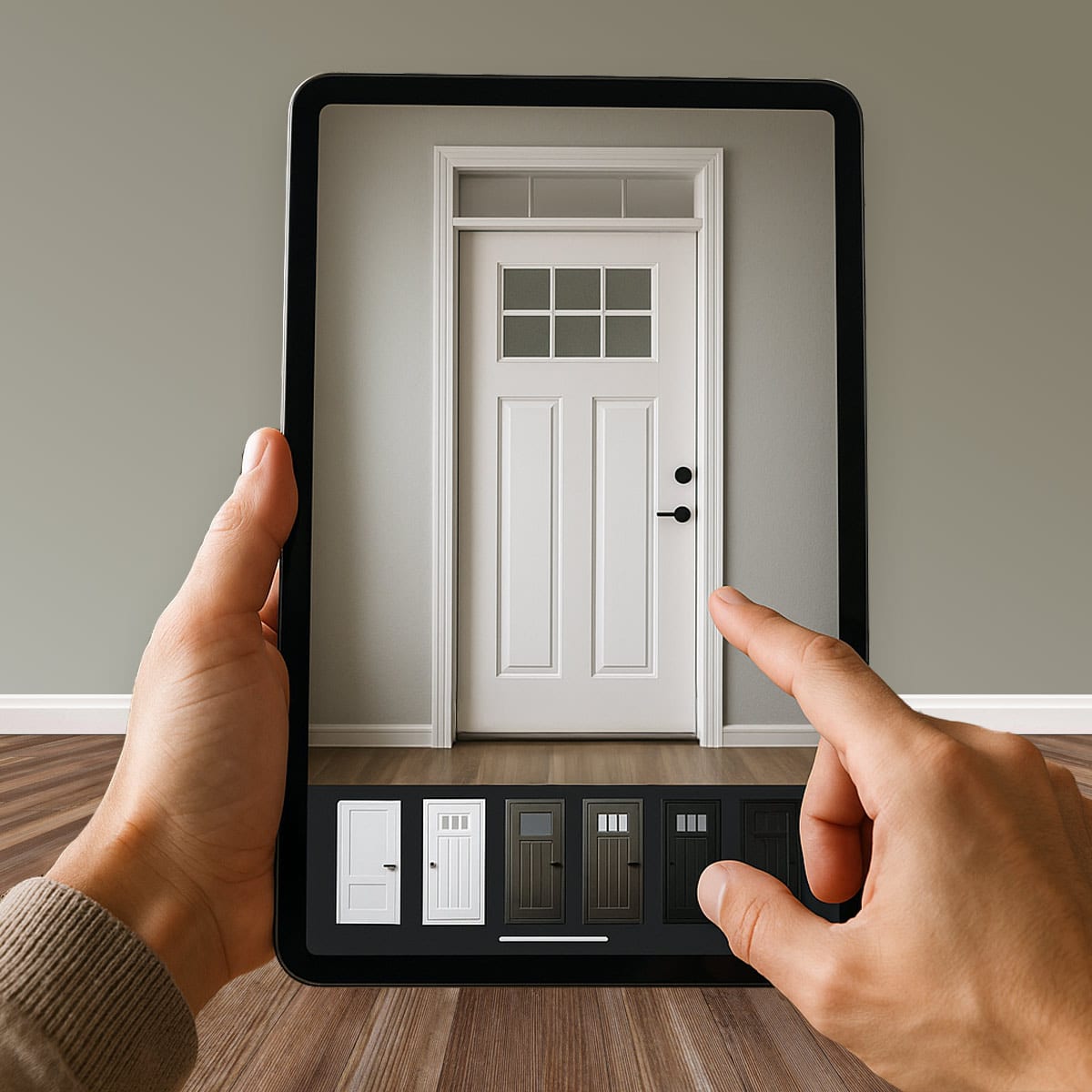
Manufacturers who fail to align channels risk being cut out before the buyer ever reaches a showroom. Tools like 3D configurators, AR visualizers, and downloadable spec sheets are becoming critical bridges between channels. Manufacturers who support dealers with this type of content give them an edge with increasingly digital-first buyers.
Manufacturers can now keep all dealer and retailer websites up-to-date with their specs and downloads at no cost. Contact Fásnua to find out how.



Trust, Values, and the Role of Transparency
Today’s consumer research doesn’t just look at product specs. It examines the company behind them.
Shoppers want to know:
- Where materials are sourced
- Whether sustainability claims are verified
- If privacy and AI ethics are respected in marketing
- How transparent warranties and return policies are
What’s notable is that these expectations cut across income levels and buyer types. These expectations are rising in parallel with affordability concerns. Buyers balancing tight budgets still prioritize trust. When a manufacturer can demonstrate both value and integrity, their products stand out in crowded categories.
Implications for Designers and Dealers
The ripple effect of today’s research-driven buyer extends to the professionals who influence homeowner choices.
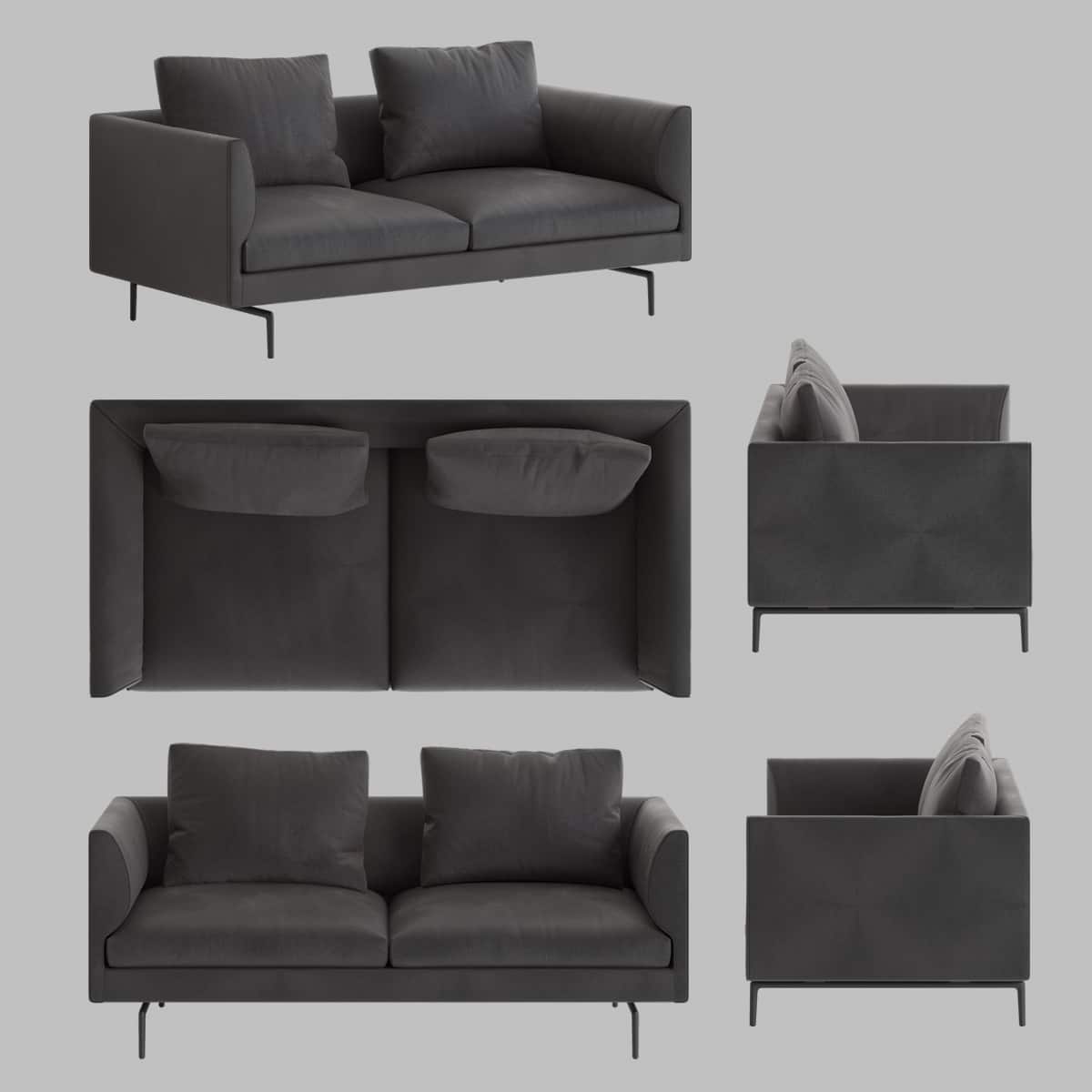
Designers expect products that are modular, configurable, and easy to visualize digitally. Strong design storytelling — around materials, sustainability, and origin — adds persuasive weight when they recommend products to clients.
Dealers and retailers must merge the physical and digital experience. Their salespeople need both strong product knowledge and tools that speak to tech-savvy buyers who arrive armed with research. Support in the form of AR models, spec sheets, and digital demos helps them close sales faster.
Manufacturers that supply their trade partners with these resources build stronger relationships and keep their products top of mind when the homeowner’s research turns into a purchase decision.
Not just for sales — a Gartner study suggests product configuration tools can reduce returns by as much as 45%.
Source: Gartner, Newsroom
How Manufacturers Can Prepare Now
Manufacturers who act now on research-driven buying behavior will capture disproportionate market share over the next 18 months. While competitors debate these changes, early movers are already seeing higher conversion rates and stronger dealer relationships.
Here’s how to make sure your company is among the winners, not the ones left behind.
1
Expand Interactive Content
Invest in visual tools that help buyers imagine your product in their space: 3D configurators, AR experiences, and video narratives. Pair them with authentic customer reviews to complete the research loop. These tools improve buyer confidence and shorten dealer sales cycles — a win on both sides.
2
Make Consumer Research a Continuous Input
Treat consumer research as an ongoing process, not an annual survey. Micro-surveys, journey analytics, and AI-supported research help identify how buyers make decisions — and where they drop off in the process.
3
Orchestrate Every Channel
Ensure your brand looks and feels consistent whether a buyer is on Instagram, browsing your website, or standing in a dealer’s showroom. Align dealer inventories and lead capture tools so no momentum is lost when buyers switch between channels.
4
Lead With Transparency
Show your sustainability commitments, certifications, and product sourcing. Buyers notice the difference between a polished claim and a clear, verifiable proof point. Transparency builds long-term trust with homeowners and pros alike.
5
Monitor New Metrics
The marketing dashboard of tomorrow goes beyond website visits. Watch for:
- Time spent in product configurators
- Ratio of online research sessions to showroom visits
- Review sentiment and referral activity
- Dealer conversion lift from digital assets
These measures reveal whether your marketing is aligned with how buyers are actually making decisions.
Looking Ahead to 2026
In 2026, the buying journey will be even more research-driven and digitally immersive. AI shopping assistants, voice-guided product comparisons, and fully virtual showrooms will move from the edge to the mainstream. Buyers will expect every home product manufacturer to meet them in these spaces.
At the same time, the human side of buying won’t disappear. Community, trust, and confidence in your brand will matter as much as any configurator or digital ad. Manufacturers that combine technology with transparent values will lead the market.

Prioritizing Your Investment: A Roadmap for Leadership
For C-suite leaders evaluating where to allocate resources, these initiatives fall into three phases:
Phase 1
0-4 months, moderate investment
Audit and align existing digital assets. Ensure your website, dealer materials, and sales tools present consistent information.
ROI: Faster conversions within weeks.
Phase 2
4-8 months, higher investment
Implement interactive tools like 3D configurators where they'll have maximum impact on your highest-value product lines.
ROI: Measurable increase in qualified leads.
Phase 3
8+ months, strategic investment
Full channel orchestration with AR experiences and AI-powered research support.
ROI: Strengthened market leadership and premium pricing power.
Your Next Step
Find Your Growth Constraint
The way buyers research and purchase home products is shifting fast — and gaps in your marketing are more costly now than ever. If your content, channels, or dealer tools don’t match how buyers actually research, you’re already losing ground.
The Constraint Finder gives you clarity. In minutes, it shows where your biggest marketing constraint is — whether it’s attracting researchers to your brand, engaging them with the right information, converting their interest into sales, or keeping them loyal once they’ve purchased.
See what’s holding your business back from the growth you should be getting — free.